
Dating After 60 With A Disability
By The Disabled Dating Canada Team
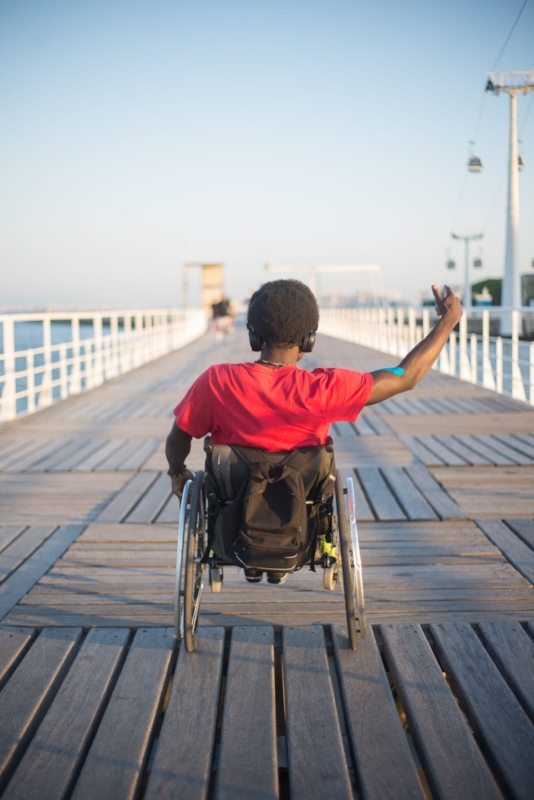
Dating after 60 with a disability is increasingly common, and increasingly well-supported by platforms built around real, judgment-free connection.
Companionship is a valid goal
Not every relationship needs to follow the same script. Companionship, friendship, and partnership are all reasonable things to look for.
Take advantage of search tools
Filtering by what matters to you — location, interests, intent — helps narrow down to genuinely compatible matches.
Dating later in life is more common than it feels
It can feel, at 60 and beyond, like dating again is an unusual or even slightly embarrassing thing to be doing — but it's far more common than that feeling suggests. A meaningful share of people in this age range are actively dating, including a significant number managing a disability or chronic health condition.
Recognizing that you're not an outlier helps remove some of the self-consciousness that can otherwise creep into the process. There's no need to apologize for wanting connection at any age.
Health, disability, and honest conversations
At this stage, health and disability conversations often need to happen earlier and more plainly than they might have at a younger age, simply because the stakes of misalignment are higher — caregiving expectations, mobility needs, medical routines all matter more to compatibility than they might have decades earlier.
That doesn't mean leading every conversation with a medical history. It means being willing to have a direct, unhurried conversation about what support looks like, what independence looks like, and what you're both hoping for, once the conversation has reached that point naturally.
Technology comfort, and not needing to apologize for it
Online dating platforms can feel unfamiliar if you didn't grow up with them, and that unfamiliarity is sometimes a bigger source of anxiety than the dating itself. It's reasonable to take time learning how a platform works, and there's no need to apologize for asking for help or moving slowly through the setup.
Most people in this age range using a platform are in the same position, learning the same things — there's more shared experience here than it might feel like from the outside, looking at a screen full of unfamiliar buttons.
What companionship can look like now
Not every connection at this stage needs to follow a younger-adult template of escalating commitment. Some of the most fulfilling later-life relationships look more like companionship — shared time, mutual support, consistent presence — without necessarily following a conventional relationship timeline.
Being honest with yourself, and with a potential match, about what kind of connection you're actually looking for avoids spending time pursuing a shape of relationship that doesn't fit what you really want at this stage.
Finding others in the same life stage
A platform that lets you filter specifically for age range and disability context surfaces people who are realistically compatible on the things that matter most at this stage, rather than requiring you to sift through a much younger, less relevant general pool.
Disabled Dating Canada's community includes a meaningful number of members in this age range — worth knowing if the idea of being the 'only one' in this position has been part of what's held you back from trying.
Letting go of expectations from an earlier decade
If your last experience actively dating was decades ago, both the tools and the norms have shifted considerably. Expecting today's process to mirror what you remember tends to create frustration that has more to do with the comparison than with anything actually wrong now.
Approaching it as something genuinely new to learn, rather than a return to something familiar, tends to make the adjustment considerably smoother.
There's no need to rush any part of this. Taking the time to get comfortable with the process, the platform, and your own readiness matters far more than how quickly you move through any individual step.
Trusting that timing varies, not that it's run out
It's easy to read a slow start as evidence that it's too late for this kind of thing. It isn't — people regularly find meaningful companionship and relationships well into this decade and beyond, often after a slower-than-expected beginning.
Staying engaged with the process at whatever pace feels manageable matters more than how quickly results show up.
Friends and family who treat your interest in dating as a normal, healthy part of life, rather than something to be teased about or questioned, make a real difference in how comfortable the whole process feels.
Whatever pace feels comfortable is the right one — there's no prize for moving faster than feels good.
Plenty of people at this stage find genuine companionship, often when they least expect it.
That openness, more than anything else, tends to be what makes the difference.
Related articles
See what's included
Compare the Classic, VIP, and VIP+ tiers and what each one unlocks.
Trust & Safety
ID verification, privacy controls, and active moderation, explained.
Ready to join?
Create your free account and start connecting with people who understand your experience.
Join Now