
Dating And Self-Esteem
By The Disabled Dating Canada Team
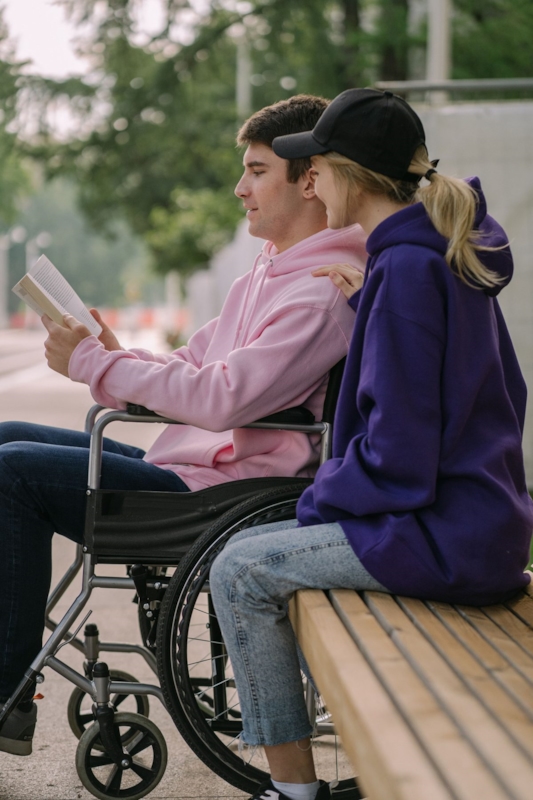
Self-esteem and dating feed each other in both directions — confidence makes connection easier, and good connection can rebuild confidence.
Rejection isn't a verdict on your worth
A mismatch says more about compatibility than about your value as a person. Most members face plenty of mismatches before finding the right fit.
Celebrate small wins
A good conversation, a kind message, a date that went well — these count, even if they don't lead anywhere long-term.
Where dating-related self-esteem dips actually come from
A string of unanswered messages or a date that didn't lead anywhere can chip away at self-esteem in a way that feels personal, even when it's mostly just normal variance in compatibility. It helps to separate the specific outcome — this particular match didn't work out — from a broader judgment about your worth.
Most people, disabled or not, experience a similar pattern of ups and downs while dating. The mistake is treating a handful of data points as a verdict, rather than as the ordinary noise of a process that takes most people longer than they'd like.
Disability, desirability, and internalized narratives
Many disabled people carry internalized messages — from media, from past experiences, sometimes from well-meaning but misguided people in their lives — suggesting they're less desirable or less worthy of romantic interest. Those messages are false, but they can be deeply embedded and resistant to logic alone.
Actively noticing when this kind of thinking shows up, and challenging it directly rather than accepting it as background noise, is a skill that improves with practice. It's worth treating as seriously as any other negative thought pattern, because it shapes how you show up in every interaction.
Building self-esteem outside of dating outcomes
Self-esteem that depends entirely on dating success is fragile by design — it rises and falls with things largely outside your control, like whether a particular stranger happens to be a good match. Building a sense of self-worth from sources unrelated to dating creates a steadier foundation to bring into the process.
That might mean leaning into hobbies, friendships, or accomplishments that have nothing to do with romance. The goal isn't to stop caring about dating outcomes, but to make sure they're not the only thing holding your sense of worth together.
How low self-esteem can quietly shape your choices
Self-esteem that's taken a hit can sometimes lead to settling for less than you actually deserve, on the theory that you should be grateful for any interest at all. That pattern is worth watching for specifically, because it tends to compound — accepting less reinforces the belief that less is all you're entitled to.
Noticing this pattern, even retroactively after a relationship that didn't serve you well, is useful information for the next one. You're allowed to want real compatibility and genuine respect, not just any interest that comes your way.
Letting confidence build gradually, through evidence
Confidence in dating tends to build through accumulated evidence more than through any single pep talk — proof, gathered date by date and conversation by conversation, that you can handle the process and that genuine interest does exist for you.
Each reasonably good conversation, each date that goes better than expected, each moment of handling rejection without it derailing you, adds to that evidence. It's a slow build, but a far more durable one than confidence based on hope alone.
Separating disability-related grief from dating-specific doubt
Sometimes what feels like dating-related self-esteem trouble is actually unresolved grief or frustration about disability more broadly, surfacing in the dating context because that's where vulnerability is highest. Untangling the two is worth doing, ideally with the help of a therapist or counsellor, rather than assuming dating itself is the source.
Addressing the underlying grief directly, separate from any specific dating outcome, tends to do more for your overall self-esteem than any change in dating strategy alone.
Self-esteem in dating builds the same way it does everywhere else — slowly, through small wins, self-compassion, and a refusal to let a handful of mismatches define your sense of worth.
Giving yourself the same grace you'd give a friend
If a friend described the same string of dating setbacks you've experienced, you'd likely respond with more compassion than you give yourself in the same situation. Try extending that same grace inward — it's a small shift that changes a lot.
You'd tell a friend they're not defined by a few mismatched conversations. The same is true for you.
If dating-related self-esteem struggles feel persistent or overwhelming rather than situational, it's worth talking to a therapist or counsellor — this is a common, treatable pattern, not a personal failing you have to white-knuckle through alone.
Confidence built slowly, through real evidence, tends to hold up far better than confidence borrowed from a single good date.
Related articles
See what's included
Compare the Classic, VIP, and VIP+ tiers and what each one unlocks.
Trust & Safety
ID verification, privacy controls, and active moderation, explained.
Ready to join?
Create your free account and start connecting with people who understand your experience.
Join Now