
Dating After A Life-Changing Diagnosis
By The Disabled Dating Canada Team
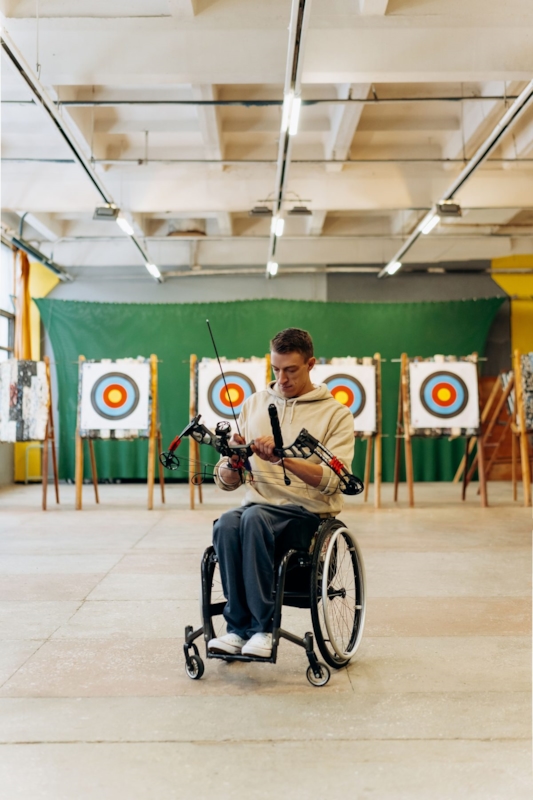
A life-changing diagnosis can reshape how you think about relationships, but it doesn't erase your ability to build one.
Give yourself room to adjust first
It's okay to take time processing a diagnosis before re-entering dating. There's no requirement to have everything figured out before you start a conversation with someone.
Find people who get the bigger picture
A platform built around disabled and chronically ill members means you're more likely to meet people who understand that a diagnosis is one part of a fuller life.
Giving yourself time before re-entering
A new diagnosis often reshapes how you think about your body, your future, and your sense of who you are — and that reshaping takes real time. There's no fixed timeline for when it's 'right' to start dating again after a diagnosis; the right time is whenever you feel ready to show up as yourself, not as someone still in crisis.
Re-entering too early, while still in the acute adjustment period, can mean bringing unprocessed grief or fear into early conversations in ways that aren't fair to you or to a potential match. There's no failure in waiting longer than you expected to.
Deciding how much to share, and when
A life-changing diagnosis doesn't need to be the headline of your profile, but it also doesn't need to be hidden. A brief, factual mention — enough that it's not a surprise later — tends to work better than either leading entirely with it or omitting it until a relationship is already underway.
How much detail to share beyond that initial mention is entirely your call, and it's fine for that to evolve as you get more comfortable talking about it. The right amount is whatever lets you stay honest without feeling like you're narrating your medical history on a first date.
Grieving the life you expected, while building a new one
It's possible to be actively grieving the life you expected to have and also be genuinely ready to date — these aren't mutually exclusive. Some people find that dating again, even casually, helps them process the diagnosis by proving to themselves that connection is still possible.
Others need more space before dating feels right, and that's equally valid. There's no correct order between adjusting to a diagnosis and beginning to date again; both processes can run alongside each other without either one needing to finish first.
Finding people who get it without over-explaining
One real advantage of a disability-aware dating community is not needing to fully educate every match on what your diagnosis means day to day. Many members on Disabled Dating Canada are managing their own diagnoses, recent or longstanding, and bring a baseline of understanding that's hard to find on general platforms.
That shared context doesn't mean every match will have had your exact experience, but it usually means less defensiveness and fewer uninformed questions to field, which makes early conversations considerably less exhausting.
Permission to want an ordinary, good relationship
A life-changing diagnosis can sometimes make it feel like the bar for what you're allowed to want in a relationship has dropped — that you should be grateful for any interest at all. That framing isn't true, and it's worth actively pushing back against in your own thinking.
You're entitled to want the same things anyone wants: genuine connection, mutual respect, real compatibility. A diagnosis changes some of the logistics of your life; it doesn't lower what you deserve from a partner.
Letting your identity stay larger than the diagnosis
A diagnosis can understandably dominate your sense of self for a period, especially early on. Over time, most people find a way to integrate it as one part of a fuller identity rather than letting it become the entire frame through which they see themselves.
That integration tends to show up naturally in how you present yourself while dating — less defined entirely by the diagnosis, more simply someone with a full life who happens to also be managing it.
Whatever pace feels right for you is the right pace. There's no external clock you're behind on, and no version of 'normal' you owe anyone an explanation for not matching.
You're allowed to take up space in this process
It can feel, after a diagnosis, like you should be quieter about your own needs and preferences in dating — grateful for whatever attention comes your way. That instinct is understandable, but it isn't true, and it's worth resisting.
You're entitled to the same standards, the same pickiness, and the same hope for a great match as anyone else navigating this process.
A support network — friends, family, a therapist, or other people who've navigated a similar diagnosis — can make the whole process considerably less isolating, whether or not you're actively dating at any given moment.
Related articles
See what's included
Compare the Classic, VIP, and VIP+ tiers and what each one unlocks.
Trust & Safety
ID verification, privacy controls, and active moderation, explained.
Ready to join?
Create your free account and start connecting with people who understand your experience.
Join Now